Pleats for Spring 2025: From Pleats Please to Prada's Skirt
Pleats for spring 2025: an old craft, a new silhouette
Pleats are the most visible silhouette idea of spring 2025. Vogue's list of eight spring trends, published March 7, 2025, gives "the preppy pleated skirt" its own line, with a Prada skirt as the example. The same list carries Jil Sander's pleated wide-leg trousers, a plissé blouse from McQueen and a pleated jersey mini from Alaïa.
Earlier, on September 27, 2024, Issey Miyake's spring 2025 show in Paris twisted single pleated panels around the models into what Vogue called body-wrappings. The audience sat on stools cut from compressed paper cylinders, a byproduct of the house's pleating process.
Pressed and unpressed: the two basic languages
Pleats sort by how they're set. Pressed pleats are ironed or heat-set into a sharp crease and hold structure. Unpressed pleats are left alone and fall in soft rounded folds. Pleats sewn down are tucks. For spring 2025, designers often let both happen on one garment. The structural logic of each fold is in pleats explained.
Why pleats come back in spring
They do two jobs at once: they give the body room to move, and they turn movement into light and shadow. Spring wants lightness and flow. A structure that breathes fits.
Three pieces
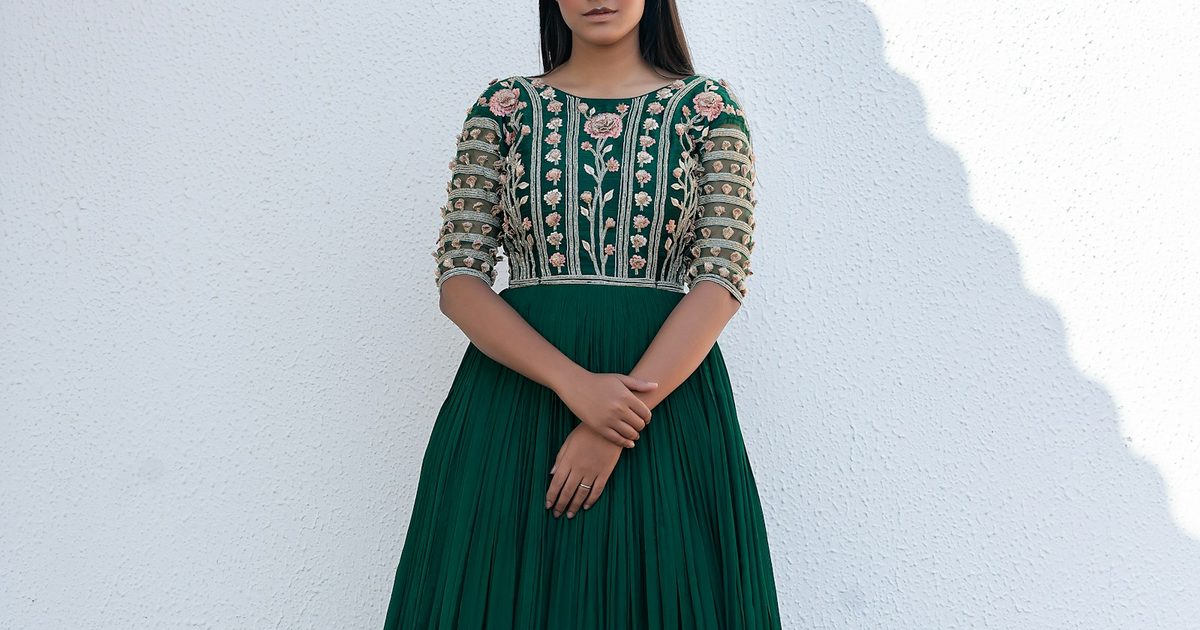
The pleated skirt. The classic carrier. Its best moment is the open-and-close as you walk. The pleated-shoulder blouse. Shoulder pleats began as a functional detail; now they add depth. The accordion dress. Denser toward the hem, it fans as you move.
How to wear them
- Simple on top, full below. A plain top against a pleated skirt.
- One colour, two depths. Let the light on the pleats be the point.
- Sharp against soft. Pressed pleats next to a fluid fabric.
For specific everyday outfits, see how to style a pleated skirt.
Something to know before buying
In 1993 Issey Miyake launched Pleats Please and reversed the usual order: garments are cut and sewn first, then sandwiched between sheets of paper and fed through a heat press. The result is machine washable and can be balled up without losing shape. The line grew out of costumes he made in 1991 for William Forsythe's Ballett Frankfurt, shipped in batches of 200 to 300 so dancers could wear a fresh one each night.
When choosing: synthetics hold a pressed crease better, natural fibres drift toward soft folds. Fine pleats read light; wide box pleats have weight. Keep pressed pleats away from heat and heavy pressure.
"Sew first, pleat after, was the 1993 idea. Thirty years later the runway wrapped pleats straight onto the body. Same direction." — Guushu Design Team