Crochet Summer Outfits: Three Ways to Wear It in the Heat
Crochet summer outfits start with the yarn, not the stitch
Crochet summer outfits are decided by the yarn before anything else. Crochet is fabric made by pulling loops of yarn through each other with a hooked needle, and the hook doesn't care what month it is. Crocheters, like knitters, tend to favor wool for its elasticity and warmth. In July you want the opposite: cotton, linen, bamboo or hemp.
Openwork was the first crochet pattern ever printed
The mesh in a summer crochet top is as old as the printed word crochet. The Dutch magazine Penélopé ran the first instructions under that name in 1823: five purses, and the first was labeled crochet simple ajour, plain open crochet, a net of chain-stitch arches.
Two hundred years on, a crochet vest for hot weather works the same way. Less yarn, more holes, more air. For where the craft came from, see crochet and slow fashion.
Diotima, September 2024: crochet next to woven cloth
The most useful recent runway example is Diotima's spring 2025 show in New York on September 10, 2024. Rachel Scott put a crochet collar on a very thin striped turtleneck and wore it over a linen wrap skirt. A draped dress in mint and gray jersey carried a black crochet appliqué down one side. Her line to Vogue: "I love combining crochet with wovens. There's always this fluidity and undoneness."
By March 7, 2025, Vogue's spring trend list had a heading called crafty minimalism, with runway credits for Khaite, Proenza Schouler, Diotima, Alaïa and Carven. That is where crochet sits in summer 2025: one textured piece inside an otherwise plain wardrobe.
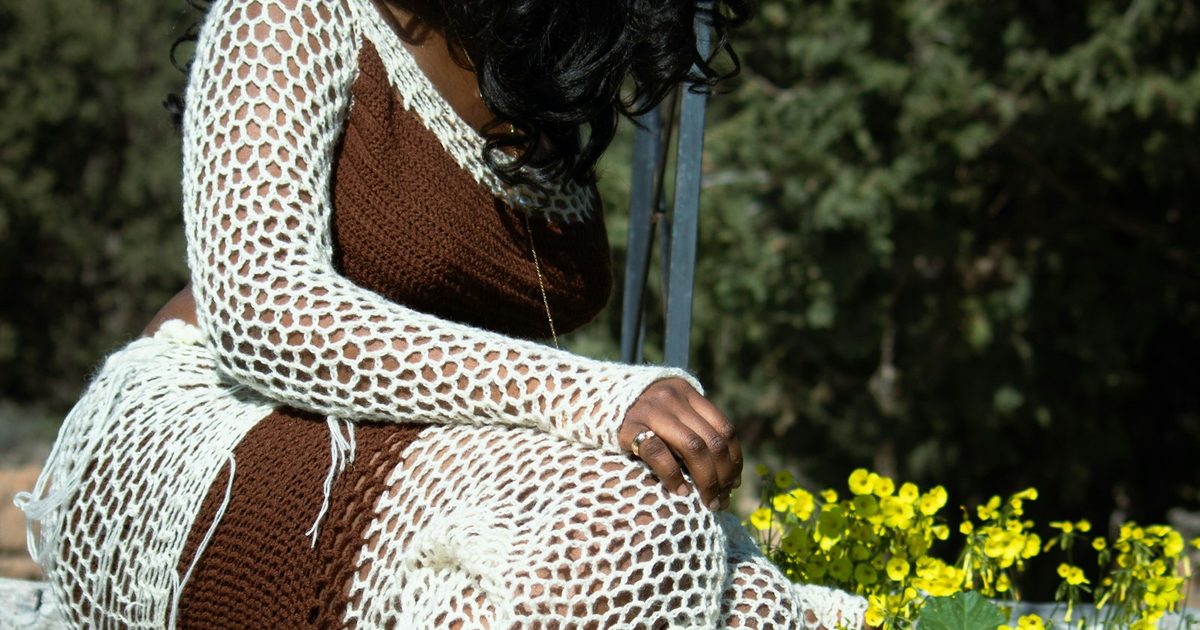
Three settings, one rule: crochet is a layer, never the whole outfit
| Setting | The crochet piece | Everything else |
|---|---|---|
| Beach | a cover-up straight over a swimsuit | straw bag, nothing more |
| City | a crochet vest | white wide-leg trousers, flat shoes |
| Evening | a crochet dress | thin-strap sandals, one pair of earrings |
The city look borrows Diotima's logic: the flatter the woven fabric beside it, the clearer the stitches read. The evening look relies on light. Hand-worked stitches vary in tension, and a lamp picks that up in a way it never does with machine fabric.
What goes underneath
Openwork needs a base layer. Match its color to the crochet and people see texture. Contrast it and they see the grid. Both work; decide which one is the point. A cover-up style piece skips the question and goes over a plain outfit as it is.
Before you buy, feel the stitches
Knitting machines imitate the look. The one reliable test is touch: hand crochet has small variations in tension, machine fabric is even all the way through. Vogue's March list priced the trend at both ends, an Ulla Johnson metallic crochet dress at $2,800 and a Mango crochet floral skirt at $220. Whichever end you buy from, check the stitches first.
Washing it
Hand wash, or use a laundry bag. Dry it flat; on a hanger the weight of wet yarn stretches it. Fold it to store.
"The first crochet pattern ever printed was a net. Wearing one in July is a 200-year-old idea." — Guushu Design Team