Morandi Colours: The Painter Behind Fashion's Greyed Palette
Morandi colours: one painter's palette, now a fashion vocabulary
Morandi colours are a family of low-saturation, low-contrast shades that share roughly the same amount of grey. The name belongs to Giorgio Morandi, born in Bologna on July 20, 1890, and dead in the same city on June 18, 1964. He spent his life painting bottles and jars, over and over, all of them wrapped in a haze of grey.
He painted on one street for 55 years
After his father died in 1909 the family moved to Via Fondazza in Bologna, and Morandi kept his studio there until his death. Casa Morandi stands at number 36 today. From 1930 to 1956 he taught etching at the city's Accademia di Belle Arti, a craft he had taught himself from books of Rembrandt prints.
Recognition arrived late: first prize for painting at the 1948 Venice Biennale, the grand prize for painting at the 1957 São Paulo Biennial. He did not visit Paris until 1956.
What he did to the bottles
According to the Phillips Collection, he altered his objects before painting them, coating their surfaces and removing labels and reflections. So the jars in his pictures have no brands and no highlights. What's left is shape and a matte film of grey shading into cream and brown. That film is where the fashion term comes from.
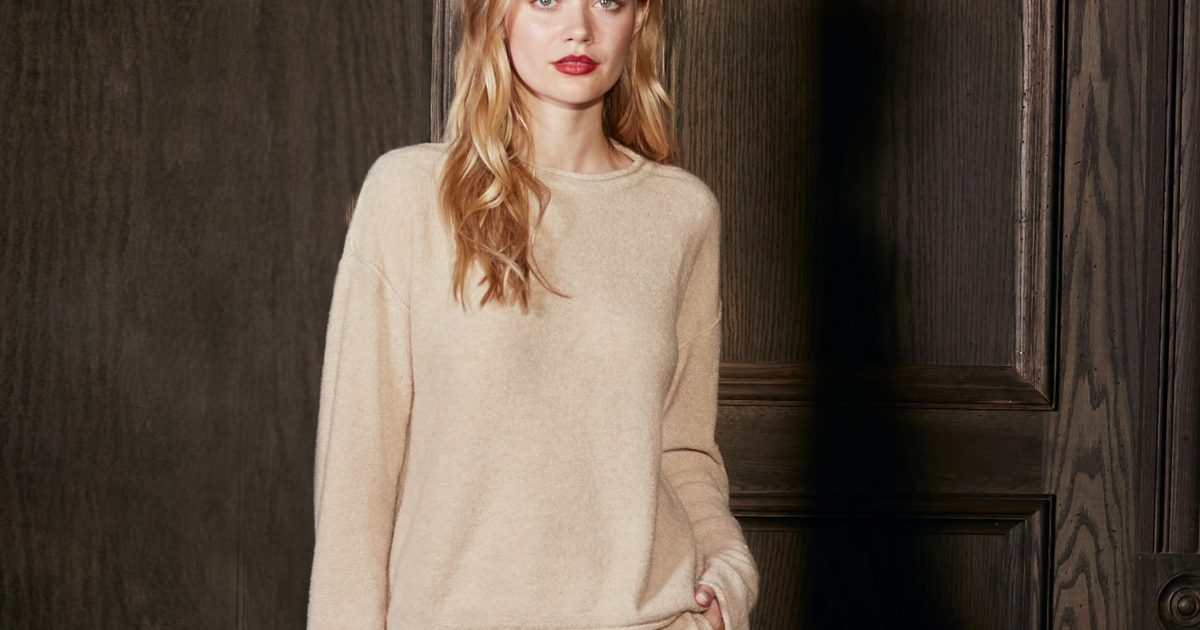
Three things all Morandi colours share
- Low saturation. Every hue carries grey; purity is pushed down.
- Low contrast. Transitions are soft. Nothing clashes.
- Matched greyness. Because they're equally muted, almost any combination sits together.
Five common Morandi colours
- Greyed pink: pink without the sugar.
- Hazy blue: blue with grey folded in.
- Sage: a low-saturation grey-green.
- Oatmeal: warm greyed beige, the best base.
- Smoky mauve: a reserved grey-purple.
The one rule
The whole effect rests on matched greyness. One saturated colour in the outfit and the rest reads as muddy. Three specific combinations are in Morandi colour formulas. The same logic runs through quiet luxury.
"Fellini hung his paintings in La Dolce Vita in 1960. Obama picked two for the White House. The man who painted bottles ended up in the living room." — Guushu Colour Team